
Indian Social Institute was established 1951 in response to the challenges of nation-building and a new emerging social order in an independent India.The vision of the institute is to build a just, humane, secular and democratic Indian society wherein the poor and marginalized communities cherish equality, dignity, freedom, justice, peace and harmony.
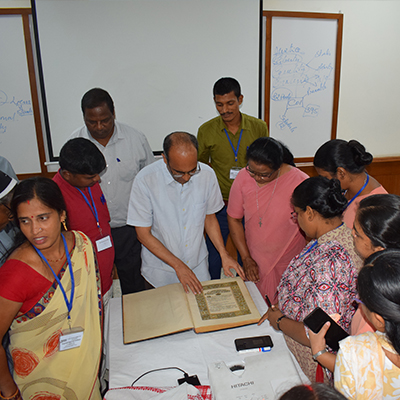
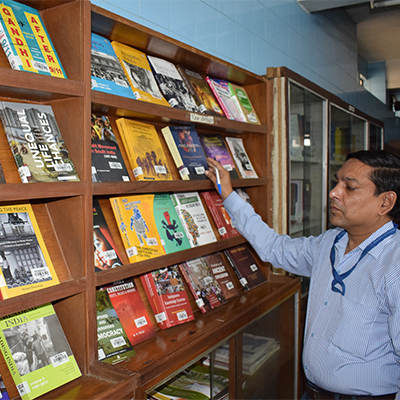
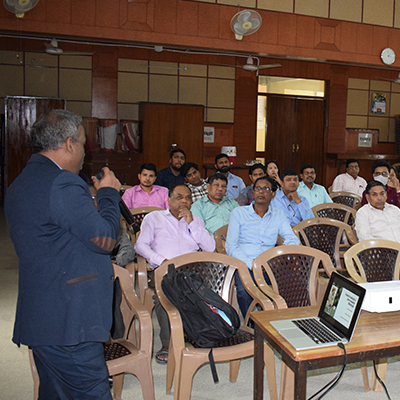
Over last six decades the institute has committed itself in brining social transformation through socially relevant research, training and action, publication and advocacy works aimed at integral development of the marginalized communities, particularly the Dalits, Adivasis/tribals, women, minorities, unorganized and landless labourers in partnership with academicians, people’s movements, human rights organizations and ecological movements nationally and internationally.




Vision:
To build a just, humane, secular, democratic and inclusive Indian society wherein the poor and marginalized communities cherish equality, dignity, freedom, justice, peace and harmony.
Mission:
To engage in social transformation through socially relevant research, training, publication and advocacy works aimed at integral development of the marginalized communities, particularly the Dalits, Adivasis /Tribals, women, minorities, unorganized and landless laborers' in partnership with academicians, people's movements, human rights organizations and ecological movements nationally and internationally.